The story of the original liquid formula and the work behind MAYAN.
A life beyond the clinic
A life beyond the clinic
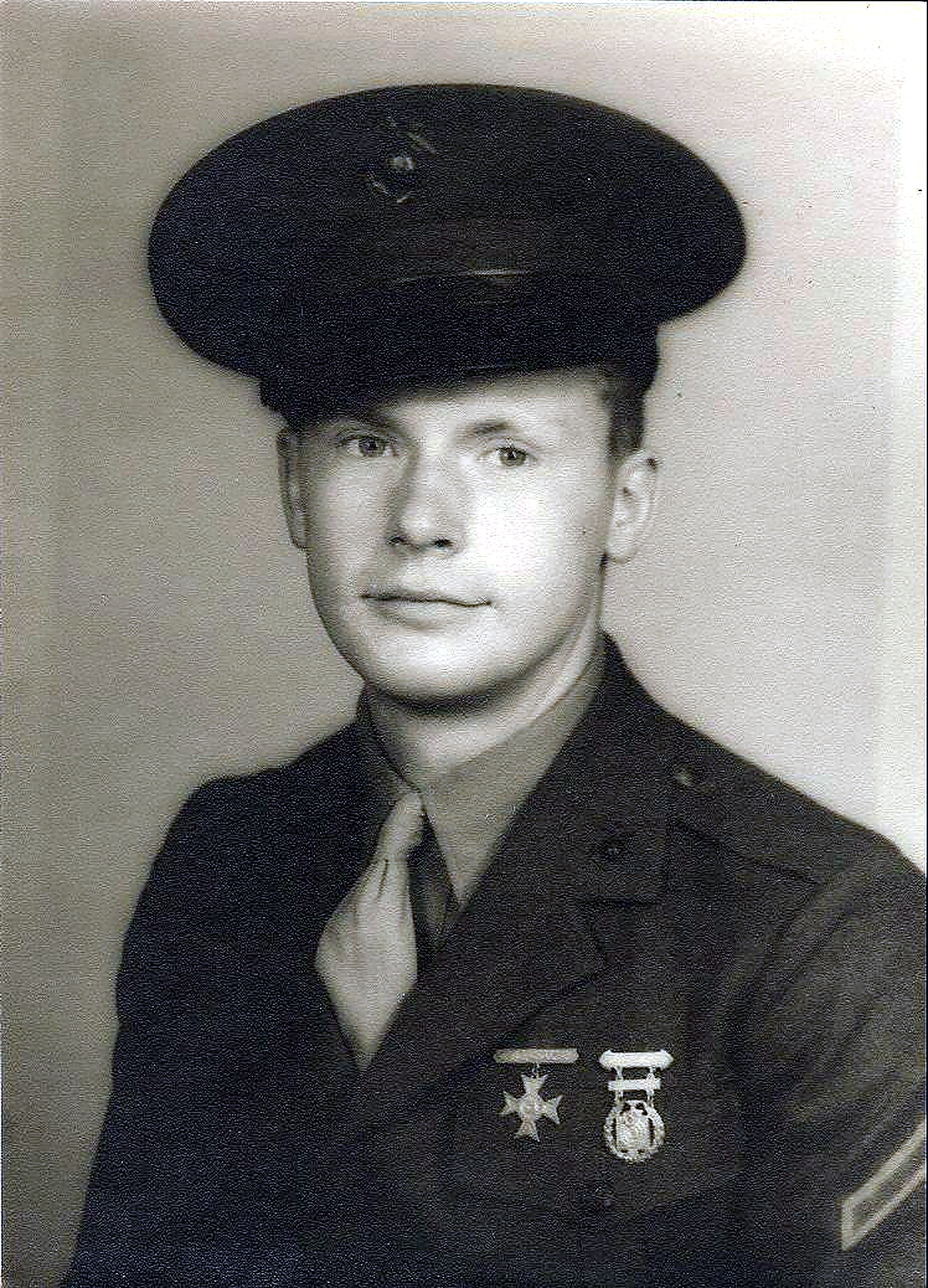
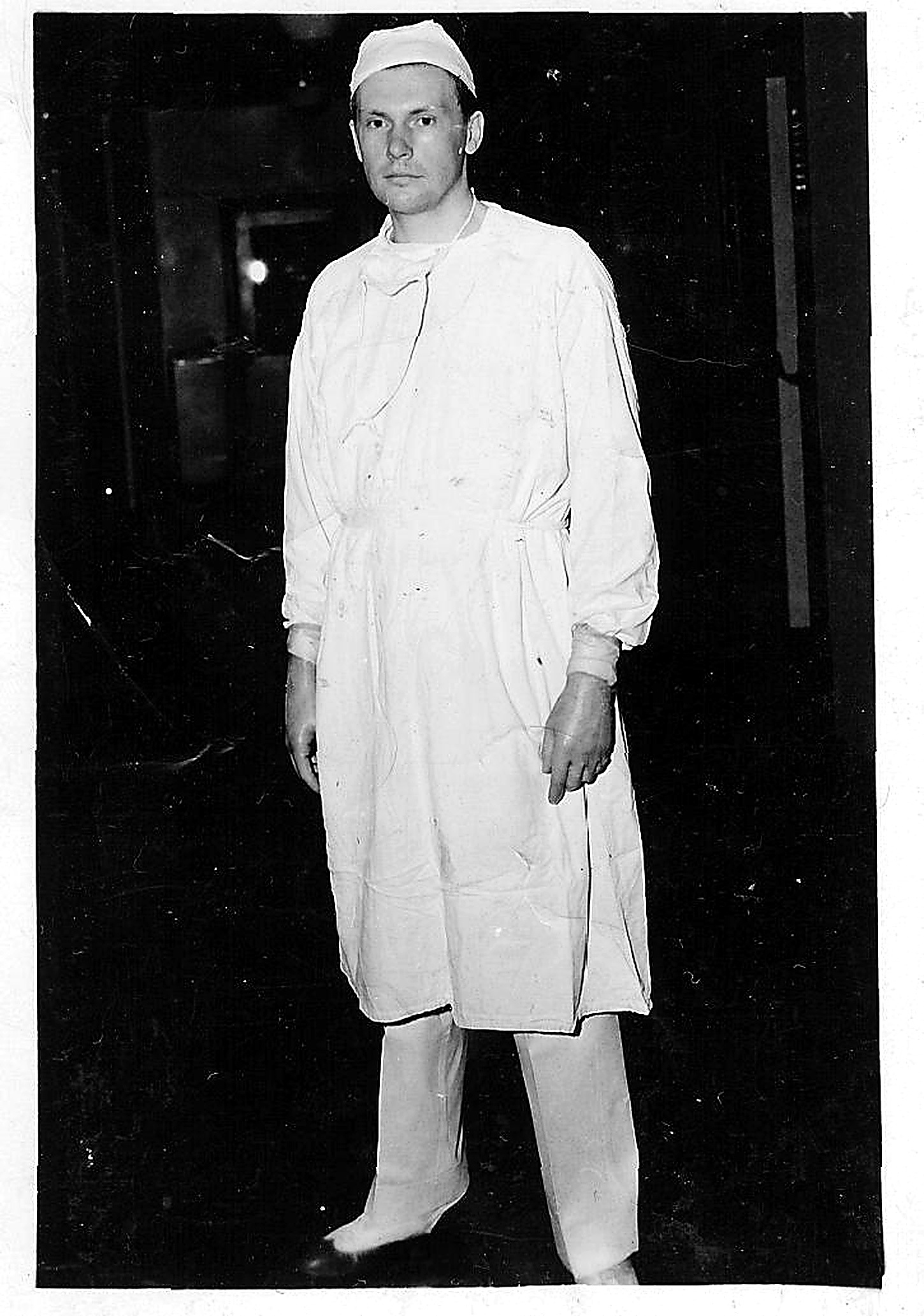
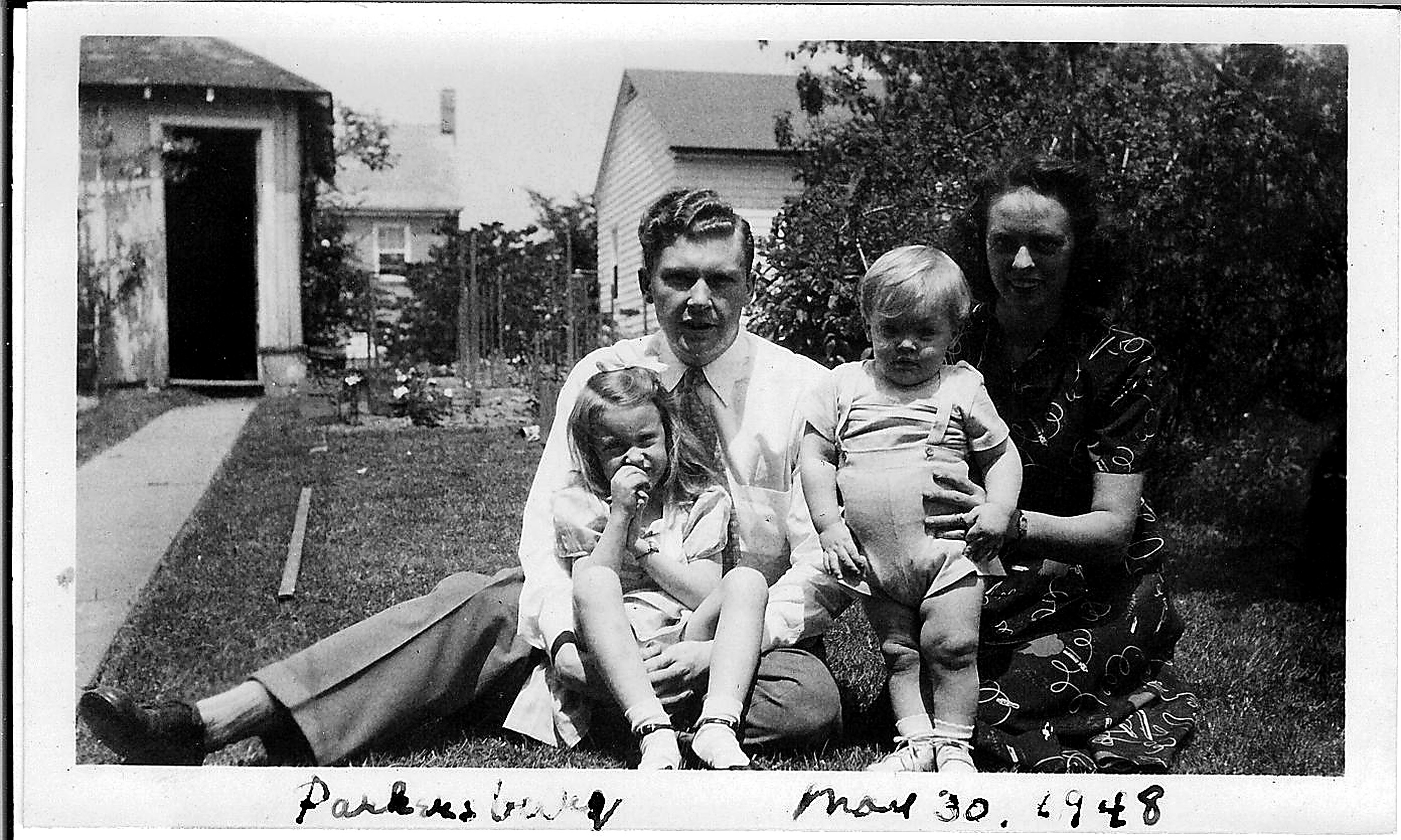
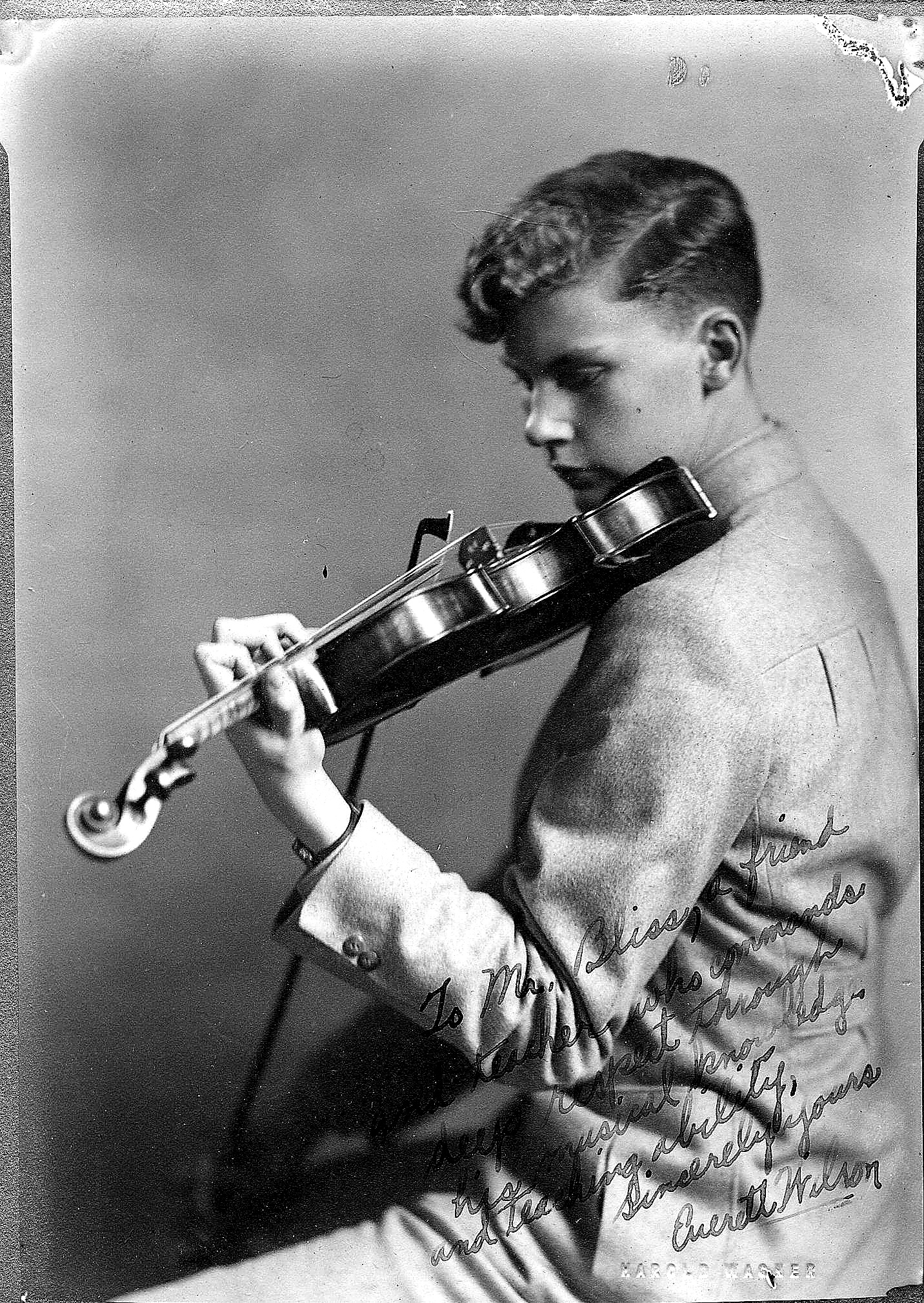
These family photographs add context to the historical record: military service, medical training, family life, and music.
U.S. Marine Corps service
Medical training, 1947
Family photograph, 1948
Everett with his violin
Photographs supplied by the Wilson family. Some historic scans have been gently enlarged and sharpened for web presentation; no attempt has been made to alter the people or historical content.
The source presentation, now readable in your language
The historical development of the formula, presented through translated text from the original business presentation.
Historical source material from the original presentation. Claims are not independently verified here and are not medical advice.
Natural Remedy Formula Origins
Everett E. Wilson D.O. (1919–2015), a WWII U.S. Marine Corps veteran and 1947 graduate of Kansas City College of Osteopathy, was an eye surgeon who practiced in Dayton, Ohio, USA for nearly 60 years.
The idea began in the late 1970s, when he saw a connection between eyesight and certain nutrients. Through the 1980s he was already testing some of those ingredients with patients — not yet as a named brand, and not yet as a finished drink.
The Original Formula
Listening to his patients and paying attention to the results that were showing up, he kept refining the combination. By 1994 he had the blend he named the Alpha Formula: a liquid herbal drink, sweetened with honey, prepared for patients living with dry and wet macular degeneration.
That original formula was marketed and sold as a liquid drink in the USA. MAYAN now offers the same herbal core as a daily powder — without the honey — in the United States and internationally.
Well over two decades of work
From the late-1970s observation through the 1980s trials to the 1994 Alpha Formula, the work spanned well over two decades. The named formula was then used in his clinic and marketed in the USA until 2007. He stated that more than five hundred of his patients improved their vision while on the program. His goal, as he wrote it, was functional vision — not a promise, and not a quick change.
Historical Clinical Material
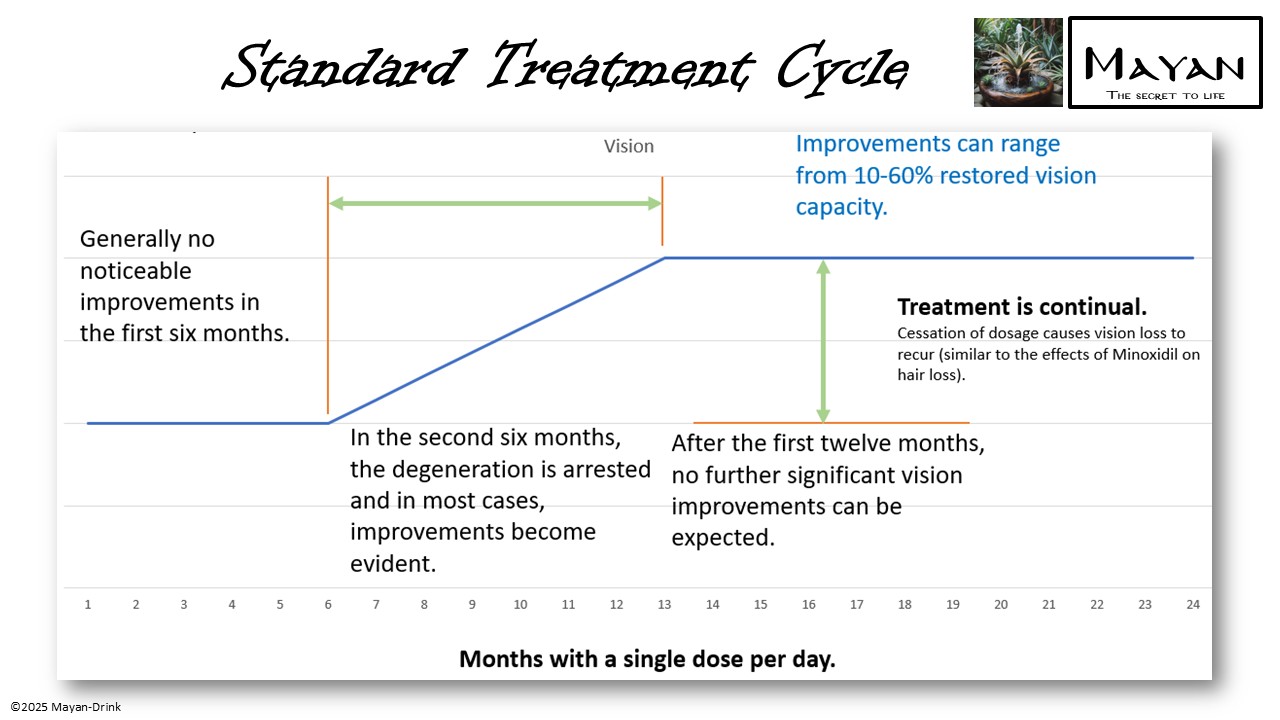
Much to our dismay, the original clinical data were destroyed after 2007 as Dr. Wilson's health declined and he required hospice care the last few years of his life. He lived to the age of 96 and passed in 2015. Dr. Wilson's grandson, Erich Wilson, PhD, assisted his grandfather in analyzing the clinical data of more than one hundred cases in 2002 and a performance pattern emerged. Their general pattern is shown here in the expected performance graph. These are historical statements only and have not been independently verified.